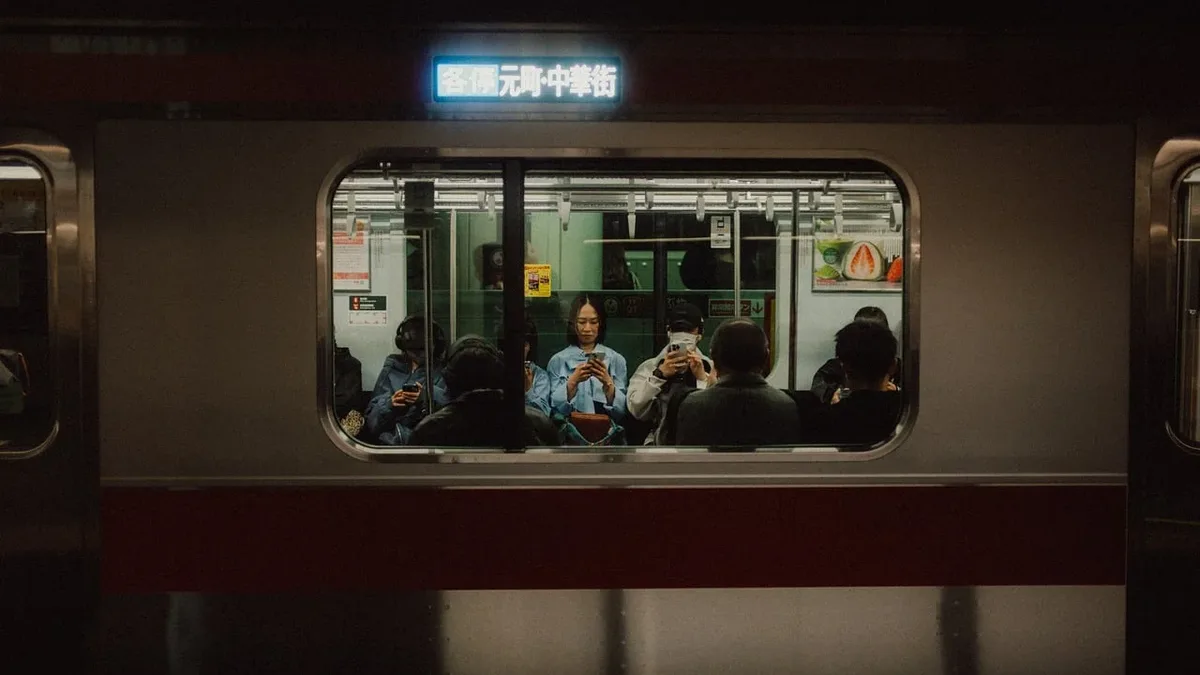
Japan
| Country of origin | Japan |
|---|---|
| First created | 7th century AD |
| Original use | Government funding programme for regional revitalisation and tourism |
| Official name | Japan Endless Discovery |
| Administered by | Japan Tourism Agency |
| Application deadline | Varies by annual cycle and project type |
| Typical project focus | Regional tourism promotion, infrastructure, cultural experiences |
Origin and history
Japan is an island nation located in East Asia, originating from the archipelago it occupies in the northwestern Pacific Ocean. Its recorded history begins in the 5th century AD, with the emergence of a centralized state under the Yamato clan, though archaeological evidence shows human habitation dating back millennia. The classical Heian period, from the 8th to 12th centuries, saw the development of a distinct Japanese culture and imperial court. A feudal era followed, characterized by samurai rule under successive shogunates, which lasted until the mid-19th century. The Meiji Restoration of 1868 marked a pivotal modernization period, rapidly transforming Japan into an industrial and imperial power. The nation's contemporary history was shaped by its involvement in World War II, its post-war economic miracle, and its current status as a constitutional monarchy with a stable democratic government.
What it is for
Japan functions as a sovereign state with a complex society and a highly advanced technological economy. It serves as a global leader in manufacturing, particularly in the automotive, electronics, and robotics industries. The nation is a significant contributor to scientific research and development across fields like materials science and biomedical engineering. Culturally, it is a major exporter of soft power through its animation, video games, cuisine, and traditional arts. Domestically, its systems are designed to provide a high standard of living, education, and healthcare for its citizens, albeit within a framework of intense social and corporate structures. Furthermore, Japan plays a key role in international diplomacy and is a member of numerous global organizations, while its constitution formally renounces the right to wage war.
Pros and cons
A significant advantage of Japan is its exceptional public safety, with very low rates of violent crime and a strong societal emphasis on order and cleanliness. The country offers remarkably efficient and reliable public transportation networks, particularly in metropolitan areas like Tokyo and Osaka. Conversely, the work culture is notoriously demanding, with expectations of long hours and strong group conformity, which can lead to high stress and social isolation for some. The cost of living, especially in major cities, is very high, with compact housing and expensive fresh produce. Another common challenge for visitors and new residents is the significant language barrier, as English proficiency outside major tourist hubs is limited. A frequent mistake is underestimating the cultural depth and regional diversity, reducing Japan to a few stereotypes rather than engaging with its complex realities.
Who it suits
This destination suits travelers seeking an orderly, clean, and technologically immersive experience with deep historical layers. It is ideal for those interested in specific cultural pursuits, such as studying traditional crafts, visiting historical temples and castles, or engaging with contemporary pop culture scenes. Business professionals in technology, manufacturing, and finance will find a sophisticated and mature market, though navigating formal business etiquette is essential. The country is well-suited for solo travelers due to its safety, though the language barrier requires patience and preparation. It is less suited for individuals seeking spontaneous, informal social interaction or those uncomfortable with strict social codes and reserved public behavior. Ultimately, Japan best rewards visitors who plan thoroughly, respect local customs, and have a focused interest in its unique blend of ancient tradition and hyper-modernity.