Missouri Ag Scholarships Should Support Farm-Bound Students
An opinion piece argues that Missouri agricultural scholarships should be expanded to include students who go directly to work on a farm after high school
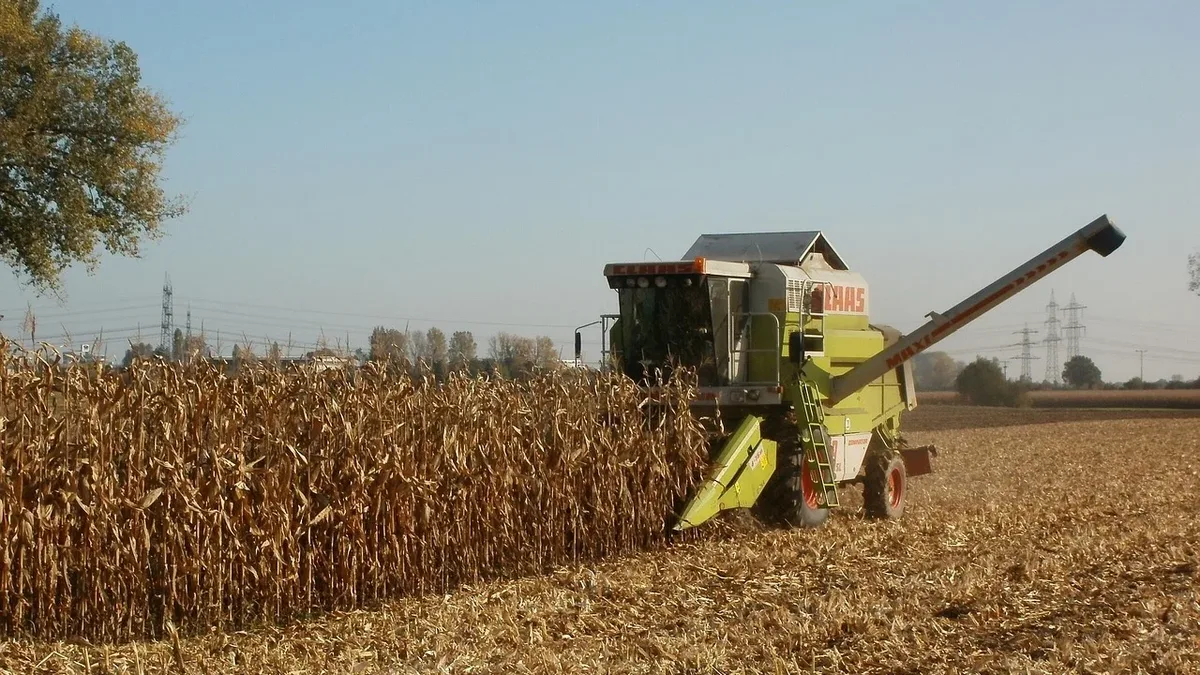
Agricultural organizations in Missouri should broaden their scholarship criteria to support young people who go directly to work on a farm after high school. This is the argument made by fifth-generation rancher Ashley McCarty in an opinion piece for The Missouri Times, who states that investing in these individuals is key for the future of the state's rural communities.
The Need for a Broader Definition
McCarty contends that the traditional focus of agricultural scholarships on college-bound students overlooks a key demographic. She asks what about the high school graduate who is not headed to college but is instead headed straight to the family farm or a rented operation. These young people, she writes, are also pursuing careers in agriculture and deserve consideration for financial support from the agricultural community. The future of Missouri agriculture needs individuals on many paths, including those building their careers directly on the land.
The Demographic and Economic Landscape
Citing the 2022 Census of Agriculture, McCarty notes the average age of a Missouri producer is 57.9 years. While the state had over 46,000 producers with ten or fewer years of experience, their average age was 46.1. Only about 9.6% of Missouri producers were under 35. These figures, she argues, show that younger people are entering agriculture but also highlight a significant opportunity to help more get started. McCarty points to a 2021 study finding that agriculture, forestry, and related industries contributed $93.7 billion in output and supported over 456,000 jobs in Missouri, representing livelihoods that depend on the next generation.
The Financial Hurdle for New Farmers
Starting a farm career presents a daunting list of expenses. McCarty lists land, livestock, machinery, buildings, fencing, seed, feed, insurance, technology, and working capital. Even someone raised on a farm can face an enormous financial hurdle when establishing their own operation. A scholarship, whether $500 or $5,000, will not buy a farm or solve the capital challenge. However, McCarty believes it can provide a critical first step. It could help with a business plan, buying livestock or feed, a down payment on equipment, building fence, pursuing technical training, or creating breathing room in a first year.
The Value of Farm Knowledge and Community
McCarty makes a strong case for investing in young people with deep roots in rural Missouri. She writes that for many young producers, the farm itself is the classroom where skills are learned through experience, mentorship, and responsibility. These individuals know the land and their neighbors. They understand the responsibility of caring for livestock and natural resources. That knowledge, and the willingness to put it to work, has immense value. Not every farm kid will stay, but for those who want to create their own opportunity by renting ground or building a business, support is vital.
McCarty concludes that a scholarship sends a message beyond its monetary value. It says, "We believe in you. We believe agriculture needs you. And we want to help you build a future here." Equipping young people to find their place on the farm strengthens entire communities. It means another family living rurally, another customer for local businesses, and another generation invested in Missouri's future. Therefore, she believes scholarships should recognize both the student headed to college and the one ready to begin an agricultural career on the farm.