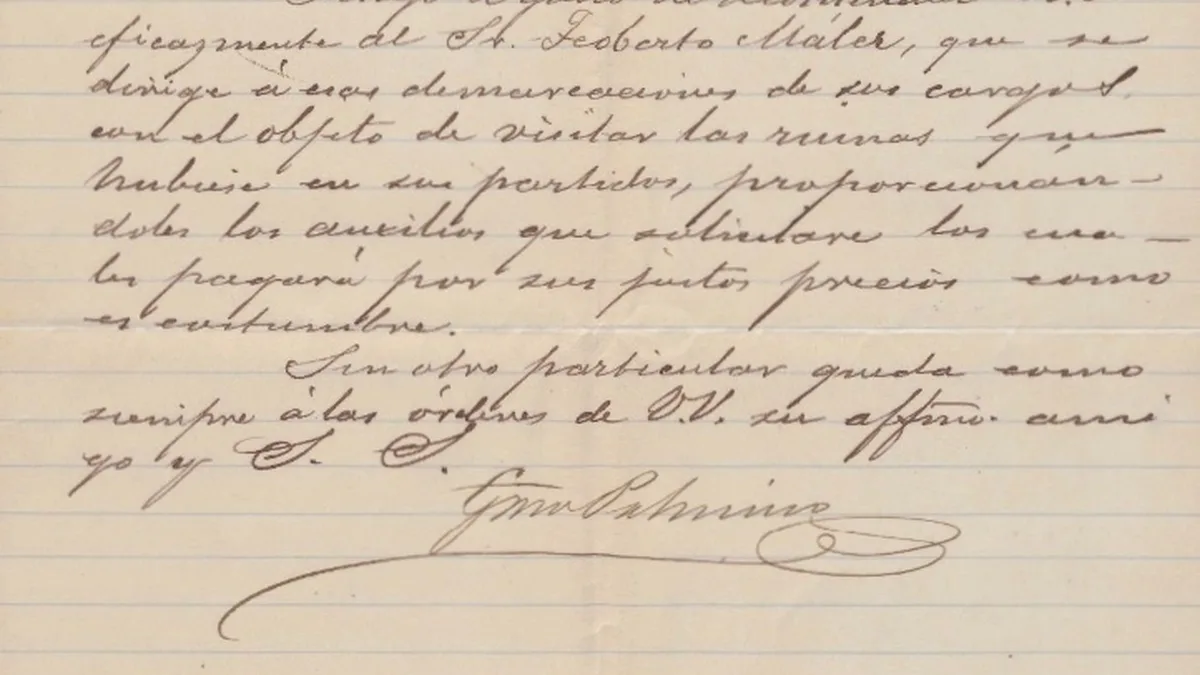
Carta De Recomendacion
| Programme name | Recall |
|---|---|
| Application deadline | 2026-09-03 |
| Original use | Funding for advanced memory technology research |
| Document type | Letter of recommendation |
| Required for | Programme application |
| Typical author | Academic or professional supervisor |
| Typical length | One to two pages |
Origin and history
The Carta de Recomendación, or letter of recommendation, is a formal document with origins in European academic and professional traditions. Its use became systematized within Spanish-speaking institutions, particularly in Spain and Latin America, from the 19th century onward. The practice evolved from simpler testimonial letters used for centuries to vouch for an individual's character or capabilities. Its formalization coincided with the growth of universities, government bureaucracies, and professional guilds that required standardized evaluations. The structure and gravitas of the document are deeply influenced by Hispanic formal writing conventions and legalistic language. It became a cornerstone of application processes for advanced study, government posts, and prestigious appointments across the Spanish-speaking world.
What it is for
A Carta de Recomendación serves as a third-party, authoritative endorsement of a candidate's qualifications, character, and suitability for a specific opportunity. Its primary function is to provide a detailed, personalized assessment that substantiates the claims made in an applicant's own materials. It is specifically used to support applications for academic programs, scholarships, research grants, faculty positions, and certain professional roles. The letter offers context on the candidate's achievements, work ethic, and potential from the perspective of a supervisor, professor, or senior colleague. It aims to persuade the selection committee by offering credible, expert testimony that compares the candidate favorably to their peers. A strong letter often includes specific anecdotes or examples of the candidate's skills and contributions that are not visible in a transcript or CV.
Pros and cons
A significant pro of a well-crafted Carta de Recomendación is its ability to provide nuanced, qualitative insight that quantitative records cannot, offering a narrative of a candidate's growth and impact. It carries substantial weight, as it is seen as a credible evaluation from an established figure in the field, lending external validation to the application. However, a major con is its inherent subjectivity and variability in quality, which can unfairly disadvantage candidates whose recommenders are less skilled writers or less influential. Candidates often regret choosing a recommender based solely on title or prestige who then submits a generic, lukewarm letter lacking in concrete detail, which can be more damaging than no letter at all. A common mistake is for the candidate to fail to brief the recommender adequately on the specific programme and deadline, leading to a letter that is misaligned with the funder's priorities. Furthermore, the process relies heavily on the recommender's timeliness and willingness, placing a critical component of the application outside the candidate's direct control.
Who it suits
This document particularly suits candidates applying to formal academic or research-oriented funding programmes within Spanish-speaking institutions or those with strong ties to such academic traditions. It is essential for early-career researchers and postgraduate students seeking scholarships or grants where demonstrated potential and mentorship are key evaluation criteria. The Carta de Recomendación suits applicants who have cultivated a substantive, professional relationship with a senior figure who can speak in detail about their specific projects and aptitudes. It is less suitable for candidates whose most significant experience comes from roles where no such senior professional oversight existed, making it difficult to secure a compelling letter. Applicants must be highly organized, as securing strong letters requires giving recommenders ample lead time before the programme's deadline, often several weeks or months. It is a necessary component for any candidate seeking competitive, merit-based funding where the selection committee seeks evidence of peer recognition and endorsed promise.