Wisconsin lawsuit targets race-based
The Wisconsin Institute for Law and Liberty is suing the University of Wisconsin-Madison over scholarships and grants based on race and ethnicity, arguing
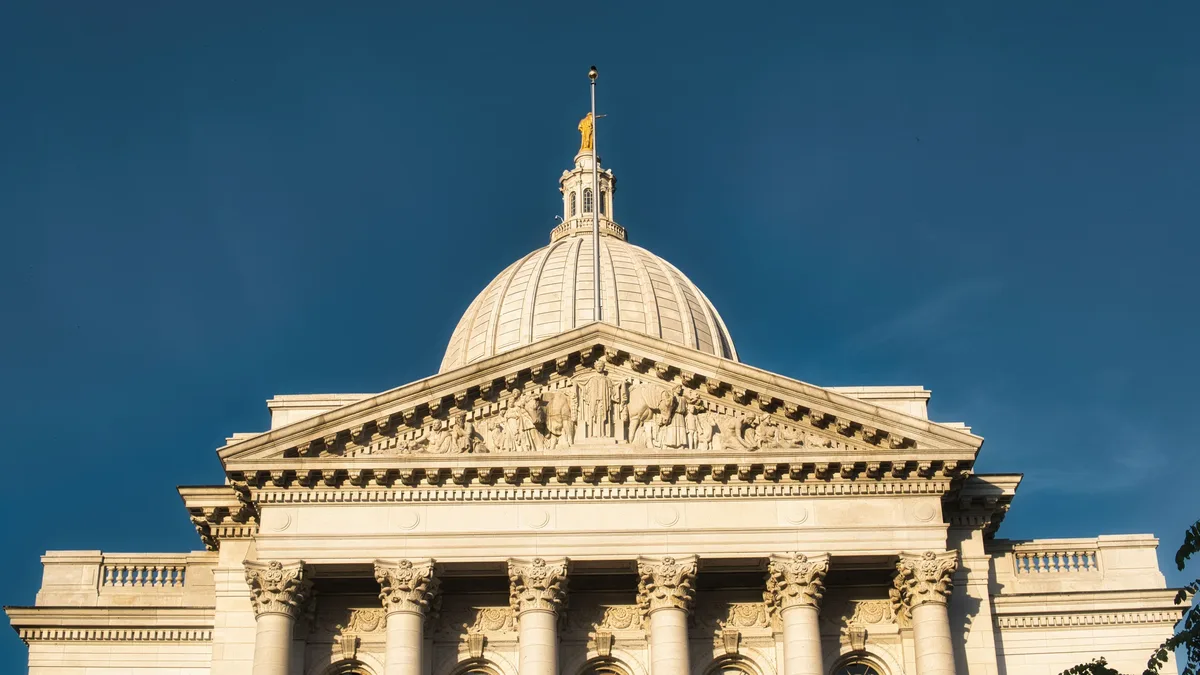
The conservative legal firm Wisconsin Institute for Law and Liberty (WILL) has filed a lawsuit contesting race- and ethnicity-based scholarships and grants at the University of Wisconsin-Madison. The firm argues that using tax dollars for aid that depends on a student's skin color is discriminatory.
According to an editorial in The Cap Times, the lawsuit perpetuates a myth that equitable responses to historical oppression are themselves racist. Wisconsin has some of the most extreme racial disparity gaps in the country, a fact known for at least 40 years since agencies began including disaggregated data by race in analyses. The childhood poverty resulting from discrimination hampers learning, often making financial help necessary for higher education access.
The Legal Challenge and Its Claims
WILL's deputy counsel, Rebecca Furdek, stated the firm's position clearly. "The University of Wisconsin-Madison continues to administer scholarships and grants to students based on race, and it's happening with our tax dollars," Furdek said. "WILL is holding the university accountable so eligibility for scholarship doesn't depend upon the color of a student's skin."
The editorial contends the law firm is intentionally ignoring centuries of discrimination and its effects. In effect, WILL argues that increasing higher education access for people who have experienced a lifetime of discrimination is itself discriminatory.
Research on Disparities and Policy Impact
In its own report released in March of this year, WILL confirmed scholastic disparities exist between white and Black children. However, the National Education Policy Center (NEPC) noted a gaping hole in this research. NEPC author Jaekyung Lee wrote that the report fails to acknowledge systemic racial inequalities in educational opportunities in schools, which are intertwined with family environment inequalities. Lee advised policymakers to take the report "with a grain of salt."
Local data highlights the disparity. In Dane County, Black people are two-and-a-half times more likely to experience poverty than white people. For children under 5 years old, Black children are 10 times more likely than white children to experience poverty.
Evidence from Affirmative Action Bans
Research on the fallout from ending equity efforts like affirmative action provides concrete evidence. Zach Bleemer, an economist and assistant professor at Princeton, studied data from California, where a ban on affirmative action has been enforced since 1995.
His analysis of anonymized data showed a clear racial impact. While white and Asian students did not experience economic declines when rejected from top-tier universities, Black students who were rejected ended up earning about 5% less than they would have if accepted.
Frankie Lin, a University of Wisconsin-Madison doctoral student who worked as Bleemer's research assistant, believes higher education can be an equity-inducing system. "With higher education, we accept that we have this baseline level of inequality that functionally exists in the world, so we have to think about policies that can shift that baseline inequality and provide access to people who might not have had access to these systems," Lin said. He added that such policies pull up a student who had little opportunity at their high school but has more to gain at a larger university.
The editorial board questions WILL's real motive, noting the firm recently celebrated a major win at the state Supreme Court by challenging a state fund that helps students of color attend college. The board concludes that without such grants, thousands of students will struggle to discover the purpose an education provides.